
Knowledge
Subject confidence
English, mathematics, science and a broader curriculum develop distinct ways of thinking and communicating.

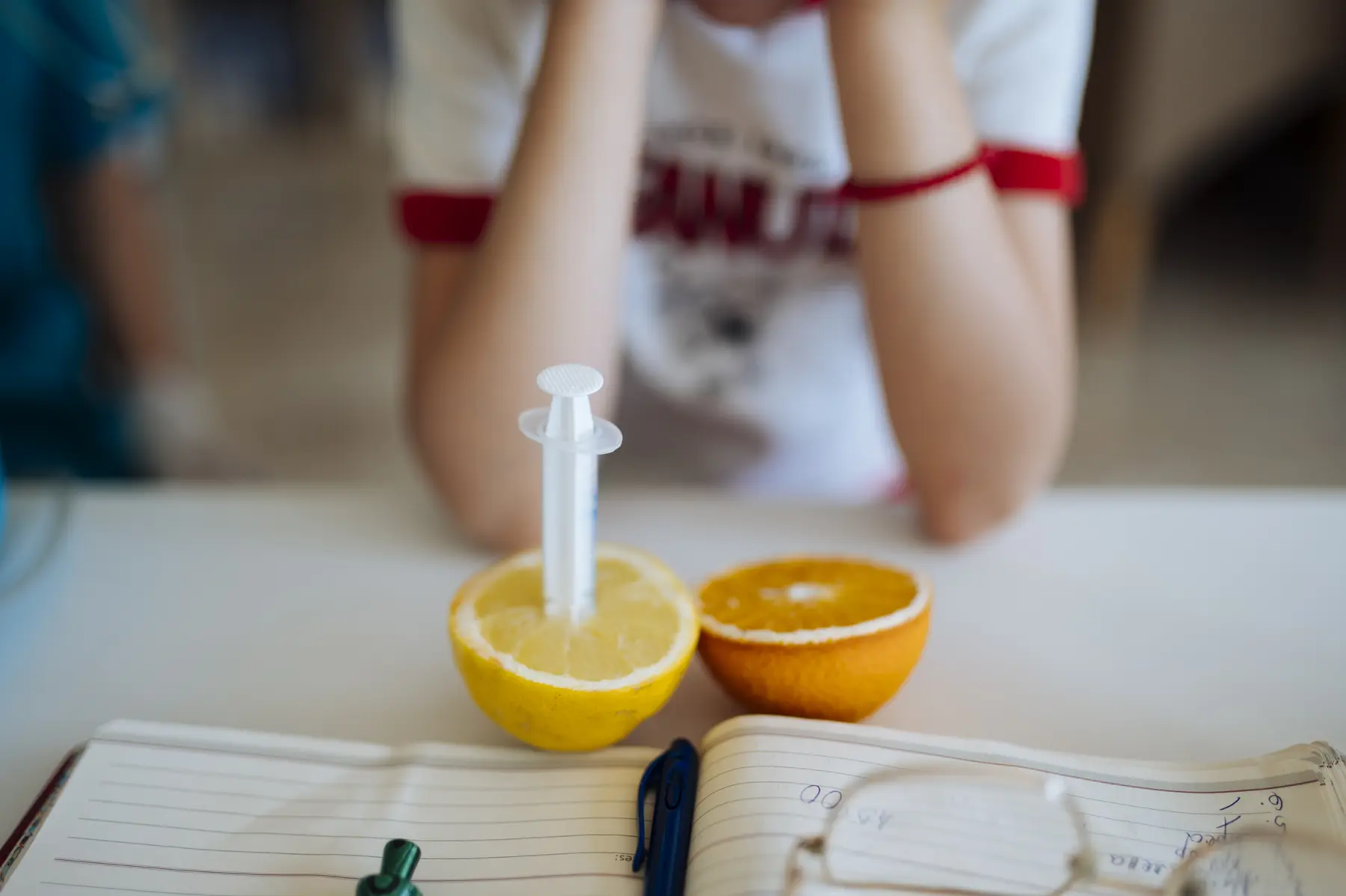
Cambridge Lower Secondary: a broader subject world.
As the curriculum widens, students encounter the particular questions and methods of each subject. They learn to distinguish an observation from an explanation, support an opinion with evidence and take greater care over independent work. These years establish the habits on which later academic depth depends.
English, mathematics, science and a broader curriculum develop distinct ways of thinking and communicating.
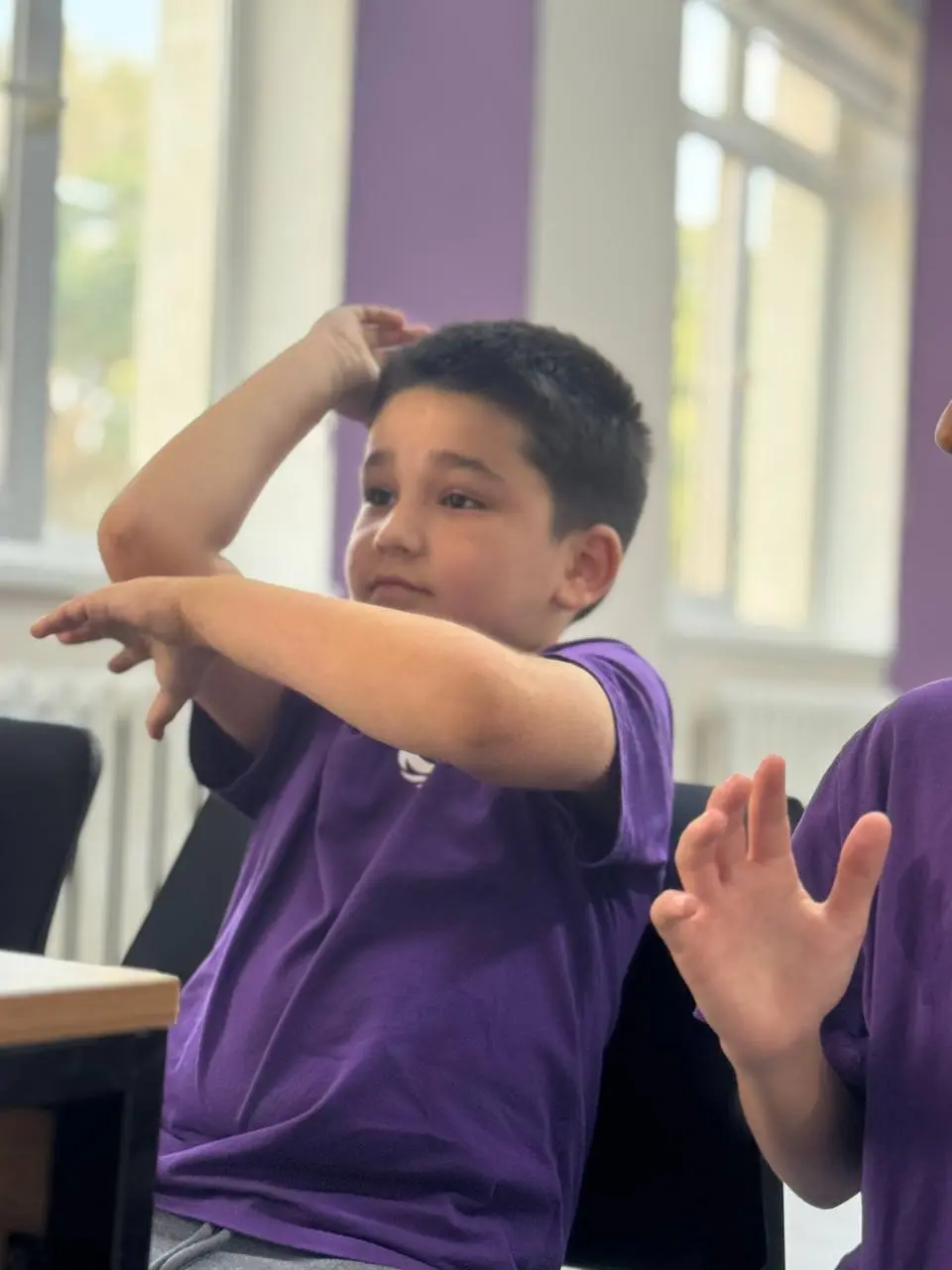
Students plan tasks, act on feedback and become more aware of the strategies that help them learn.

Reading, discussion, societies and creative work help students discover interests worth pursuing.
An explanation in science, an interpretation in literature and a proof in mathematics do not work in quite the same way. Lower Secondary introduces students to these distinctions. They begin to ask what counts as evidence, which vocabulary makes an explanation precise and how a conclusion can be tested.
Language remains central across the curriculum. Learning a new term is only the beginning; students need to use it in discussion and writing. Reading beyond a short extract, comparing sources and presenting a reasoned view prepare them for the greater subject depth of IGCSE.
Planning a longer assignment, keeping useful notes and responding to feedback are skills that need teaching. We encourage students to notice what helps them concentrate and to ask questions before uncertainty becomes a gap in understanding. Independence grows through practice, not through being left alone.
This is also a time to explore interests before IGCSE choices become more focused. Reading beyond a lesson, making something, investigating a problem or contributing to a discussion can reveal strengths that a single test will not show.
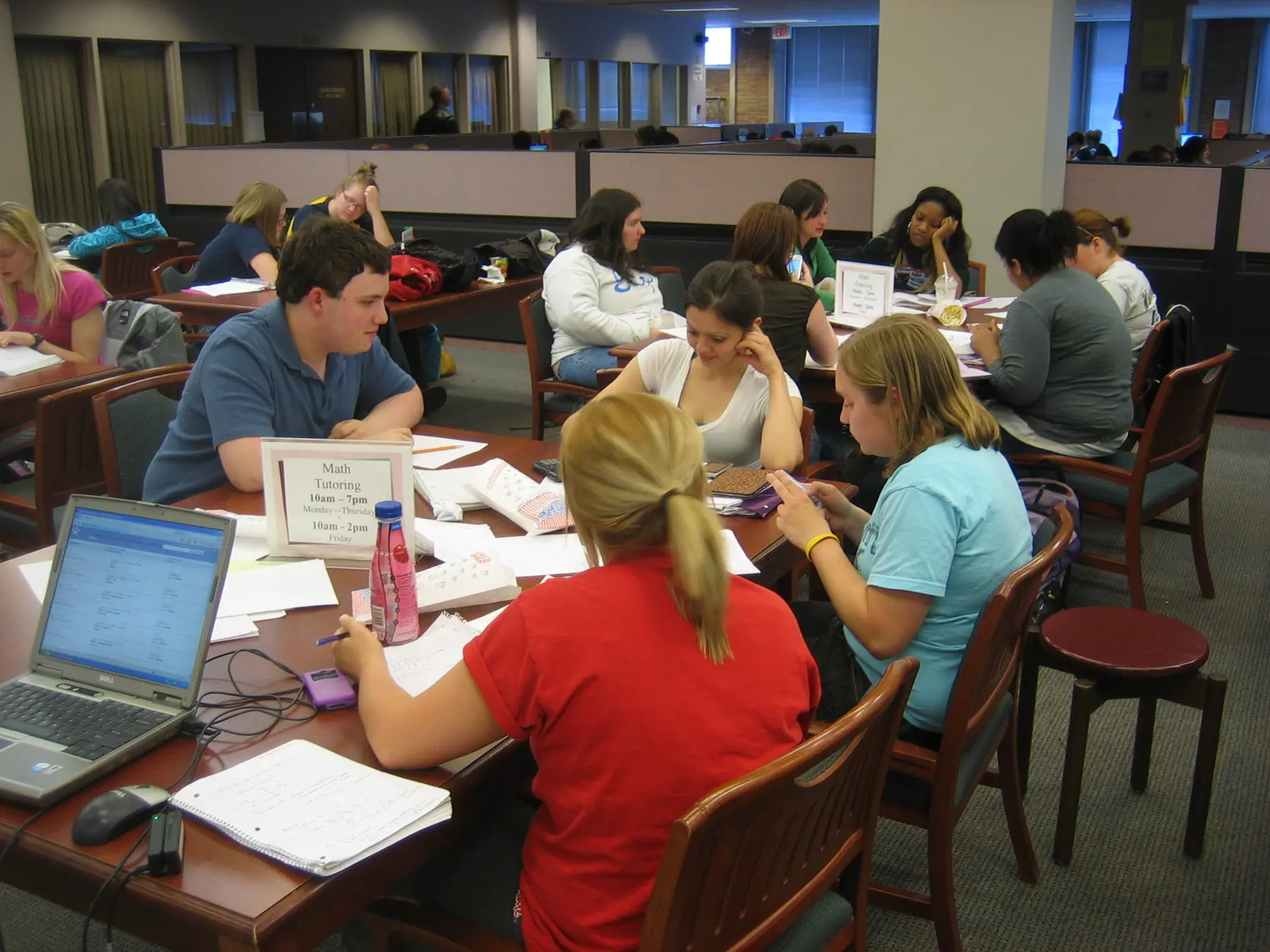
Independent study is a skill to be developed. A longer assignment becomes manageable when a student separates research, planning, drafting and review. Keeping useful notes and checking a deadline are small habits with a large effect on the quality of work.
We encourage students to identify the point at which they became uncertain and bring that question to a teacher. Revisiting earlier learning, acting on feedback and attempting a task again build a more dependable form of confidence. The purpose is growing responsibility with guidance, not simply a heavier workload.

Lower Secondary brings a wider range of subjects and a greater need to organise work. Families can help by discussing how a student plans, checks understanding and responds when a task becomes difficult. Independence grows when adults offer guidance without taking over the work.
Conversations with teachers should connect attainment, effort and wellbeing. Together we can identify a subject that needs attention, an interest worth extending and a manageable next priority. This prepares students for the more sustained demands of Middle School.
Before Middle School, the useful questions are concrete: which subjects interest the student, where are the foundations secure, and what needs strengthening? Families should discuss these alongside language readiness and study habits, so the move towards IGCSE is well understood.
Meet the people, see the learning and ask the questions that matter to your family.

