
Language
Reading, writing and conversation
Fluent language opens access to every subject. Students encounter stories, information and opportunities to explain their thinking.

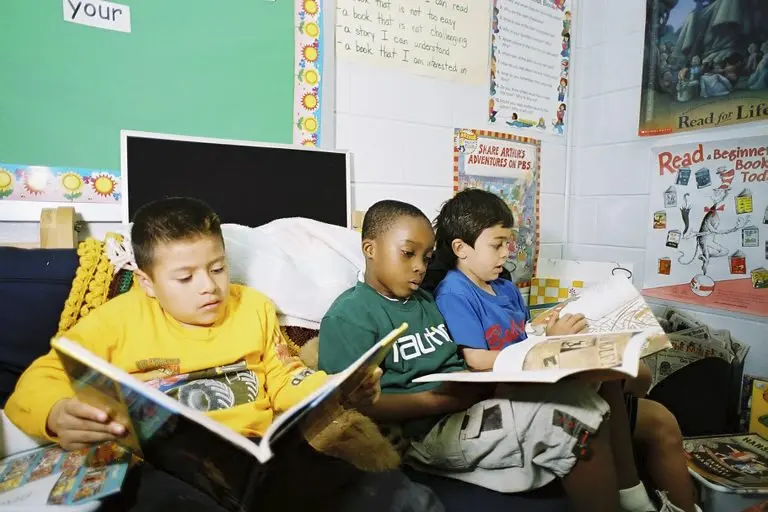
Cambridge Primary: the foundations of a confident learner.
Primary is a time of first fluency: reading a book independently, explaining a mathematical idea and finding words for a question. Cambridge Primary provides a framework for this growing understanding. Careful teaching and a broad experience of language, number and the world help children take pride in what they know and remain curious about what comes next.
Fluent language opens access to every subject. Students encounter stories, information and opportunities to explain their thinking.

Careful sequencing helps new ideas connect with what students already know. Practical exploration sits alongside guided practice.

Predictable routines, thoughtful feedback and close family communication support increasing independence.
A child needs both the confidence to read independently and the patience to think about what a text is saying. Stories invite conversation about characters and choices; information texts introduce new vocabulary and ways to find an answer. Writing gives students a chance to organise those thoughts for someone else.
In mathematics, fluency grows alongside explanation. Working with objects, drawings and symbols helps a child see relationships before relying on a remembered rule. We want students to recognise an error, describe their method and discover that a problem can sometimes be approached in more than one way.
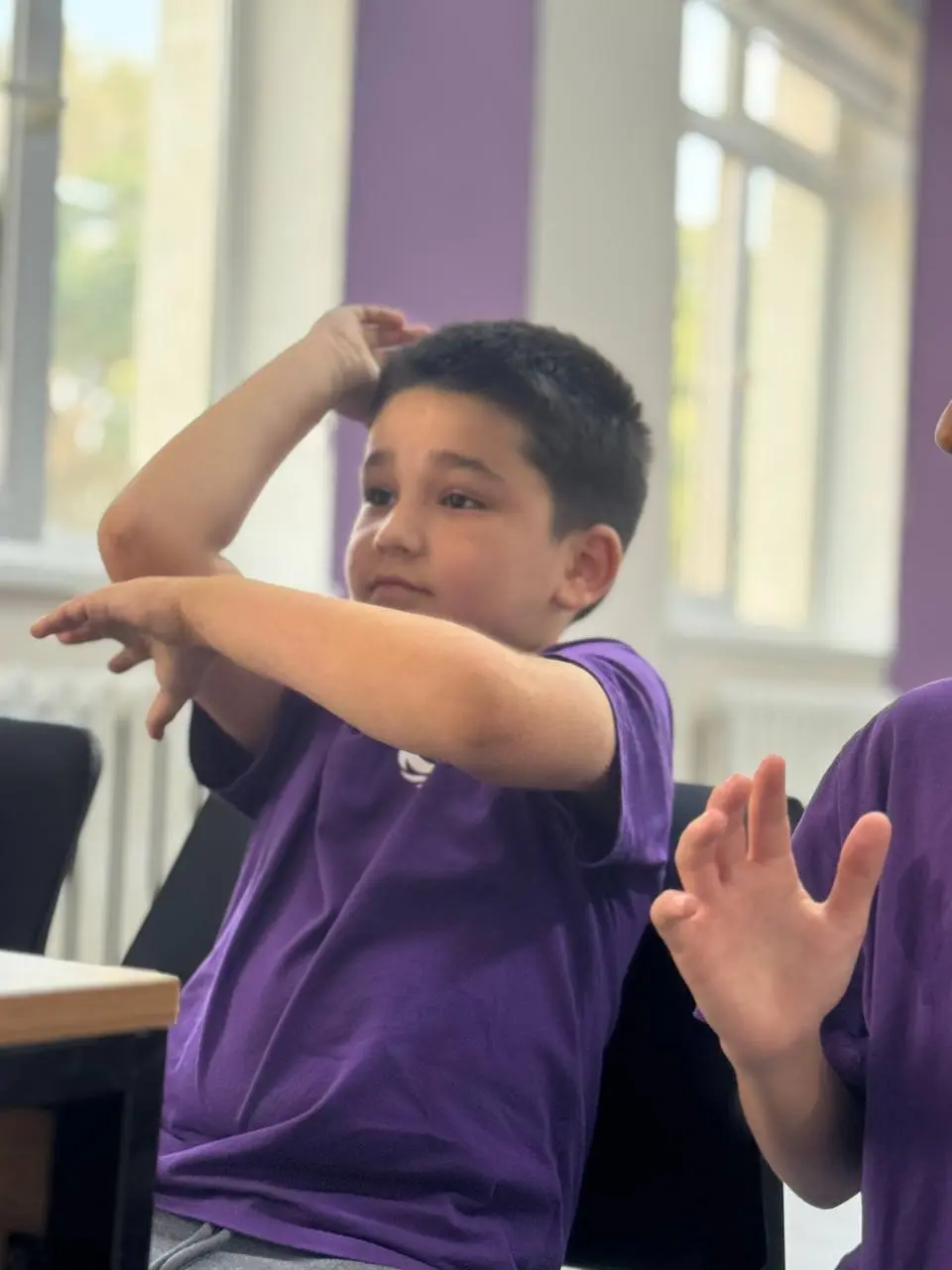
Knowing the answer is a beginning. We also want a child to show how they found it, choose a word carefully and connect a new idea with something familiar. Reading, conversation, practical tasks and written work give teachers different ways to see what a child understands.
At home, a conversation about a book or a chance to explain the day can be more useful than simply asking about marks. We want families to understand both the progress being made and the next small step, whether that is reading more fluently, using number facts confidently or becoming more organised.
A completed page tells only part of the story. Teachers also look for the child who begins to choose a useful strategy, explains a change of mind or applies an idea without a prompt. Discussion, practical work and written tasks offer different evidence of understanding.
The next step may be consolidation or a more demanding question. Families can support this by asking a child to explain something they enjoyed learning, sharing reading and allowing space for mistakes. The aim is confidence built on real progress, rather than a fear of getting an answer wrong.
In Primary, progress is often visible in small changes: a child who reads with greater ease, explains a number pattern or begins a task without being reminded. We want families to understand these changes as well as the marks on a report. Sharing a book, talking about a new idea and protecting time for rest help school and home work in the same direction.
Tell the teacher when something has changed or a task is becoming a struggle. A useful next step may be a different explanation, a little more practice or a greater challenge. Our shared purpose is growing confidence grounded in real understanding.
The transition to Lower Secondary brings more subject vocabulary, longer tasks and greater responsibility for materials and deadlines. Our priority is a secure foundation, so that students can meet these changes with confidence rather than simply hurry through the Primary years.
Meet the people, see the learning and ask the questions that matter to your family.
