

Societies & Leadership
Intellectual life becomes culture when students meet voluntarily to explore ideas together.
Explore this section
A society is a place where curiosity acquires an audience.
Societies allow students to go beyond prescribed content, invite speakers, organise debates, publish work and build communities around serious interests. They are most valuable when students help to lead them.

A question pursued beyond the lesson
A society gives an interest time and company. Debate, reading, languages, science and technology can become places to investigate a question, test an argument and learn from someone who sees the subject differently. The quality of preparation matters as much as the confidence of the speaker.
We value sustained engagement: returning to a difficult idea, improving a presentation or working through a problem with others. Current society opportunities and meeting arrangements can be discussed with the school team.
Responsibility before recognition
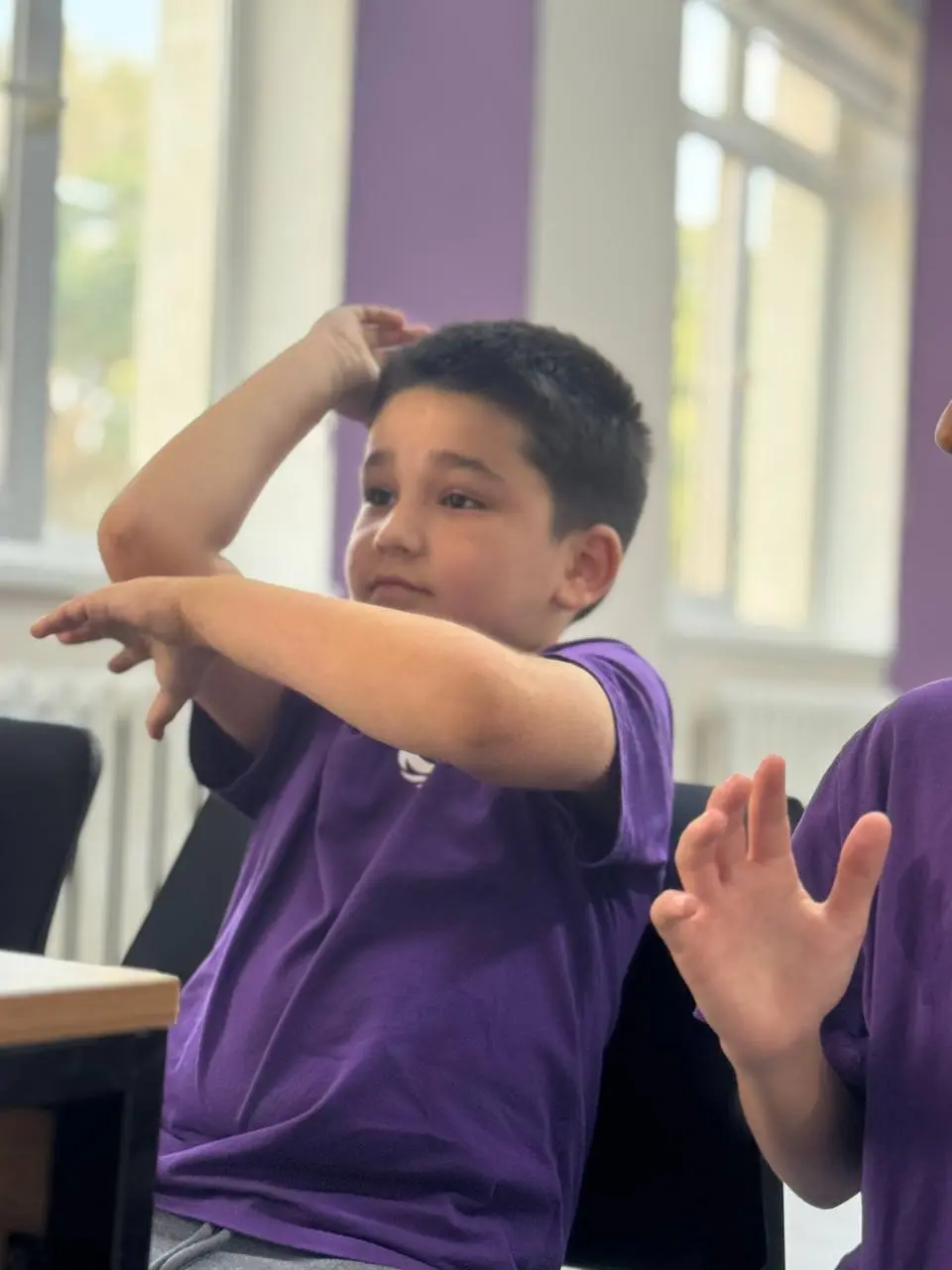
Leadership is visible in how a student prepares, listens and follows through. Organising a discussion, helping a younger student participate or coordinating a contribution to an event requires judgement as well as initiative. Adult guidance gives students room to lead while keeping responsibilities appropriate.
A useful record of participation explains the work, the student’s own contribution and what changed through it. This is the kind of evidence that can inform reflection and, later, an authentic university application.
The making of a student-led society
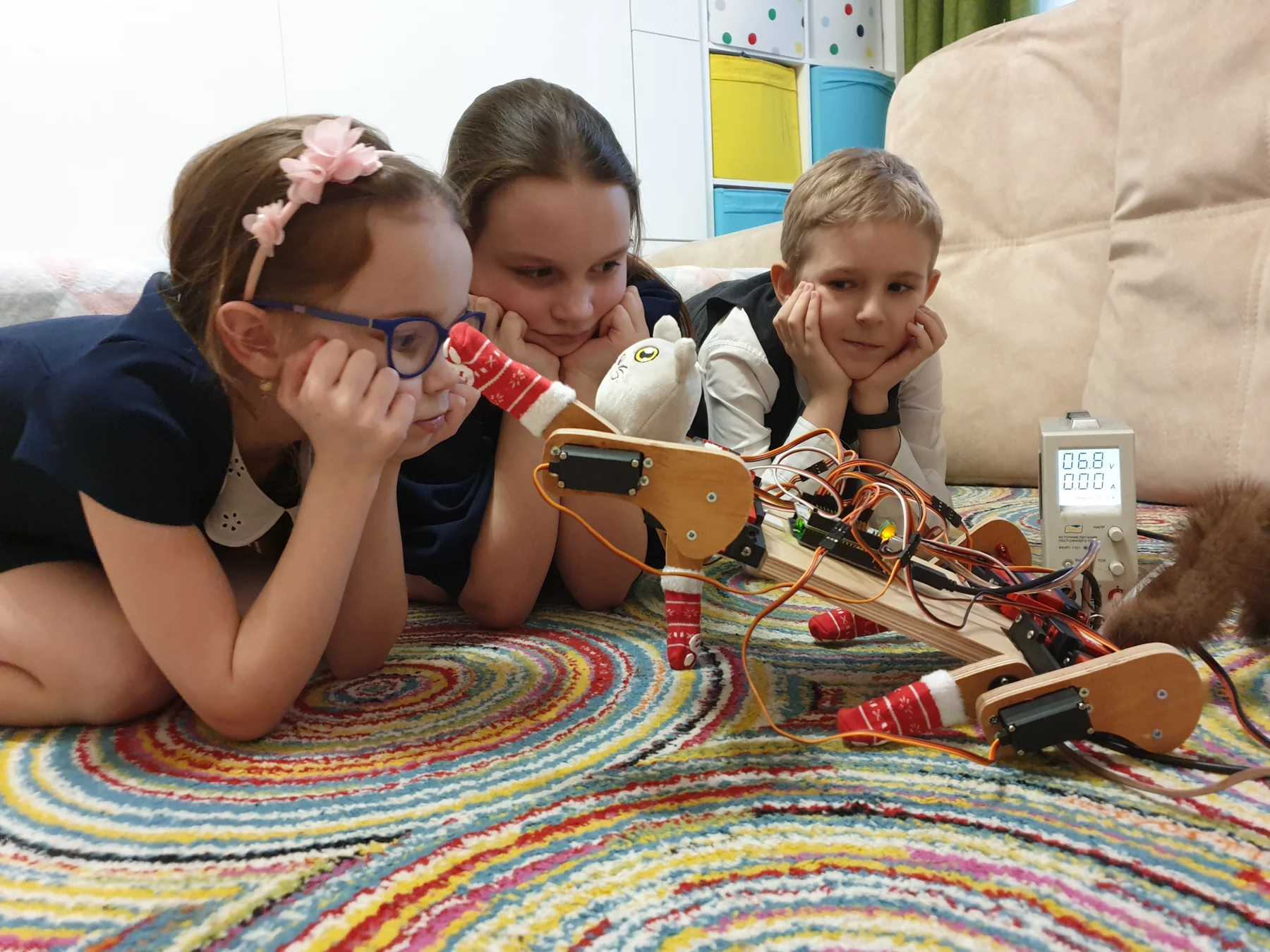
A worthwhile proposal begins with a question: what would we like to understand, make or change? Students can turn that interest into a reading discussion, a debate, a scientific investigation or a shared design. A clear purpose helps a group decide whom to involve, what preparation is needed and what it hopes to produce.
Our approach to student leadership places organisation alongside imagination. Preparing an agenda, allocating responsibilities, welcoming a new member and completing the agreed work are part of the learning. Teacher guidance helps students judge what is feasible and learn from the experience.

A thoughtful voice, a generous listener
A discussion is strongest when students arrive with something to offer: a passage they have read, evidence they have checked or a question that remains unresolved. Debate teaches the difference between disagreeing with an argument and dismissing the person making it. Listening carefully is an intellectual achievement in its own right.
The same standards apply to a presentation or publication. Sources deserve acknowledgement; claims deserve scrutiny; the finished piece should reflect revision. For senior students, a sustained interest and an honest account of their contribution are more valuable than a long list of activities.
Experience The Knowledge Academy.
Meet the people, see the learning and ask the questions that matter to your family.


